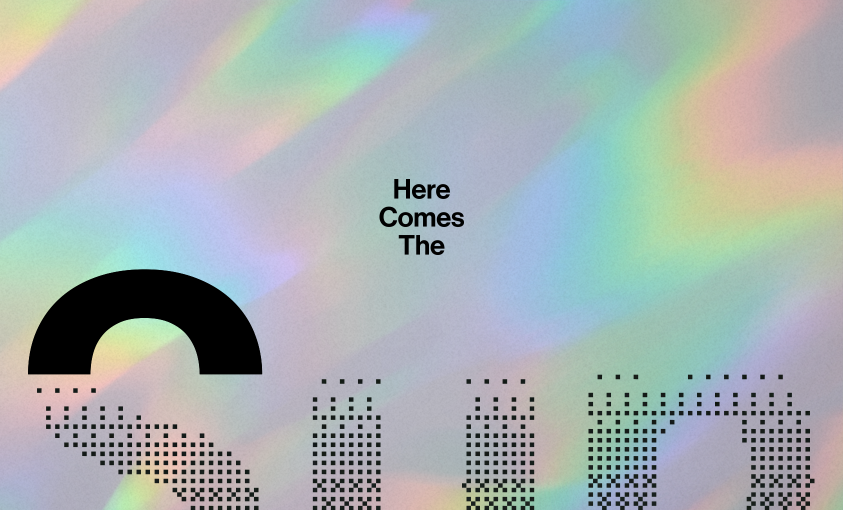



Midi de l'Art: Here comes the sun. Art, energy and natural intelligence

  • exhibition
  • guided tour
  • Mmmhhh tu sembles intéressé par "guided tour". Clique sur les mots clefs qui te plaisent... et hop ne rate plus rien les concernant. A toi de jouer !

We have constructed extraordinarily complex systems to predict, control, and optimize our world. Artificial intelligence, we are told, will solve our greatest challenges. However, the smarter our machines become, the more we seem to forget the oldest forms of intelligence: that of the sun, spreading its energy with perfect consistency for billions of years, or marine microorganisms perfecting their luminous architectures. Intelligence is not a human invention. It also exists in human communities when they choose cooperation, when they dare to imagine other possibilities together. Imagination, a uniquely human faculty, allows us to understand through speculative leaps, empathy, and creativity.

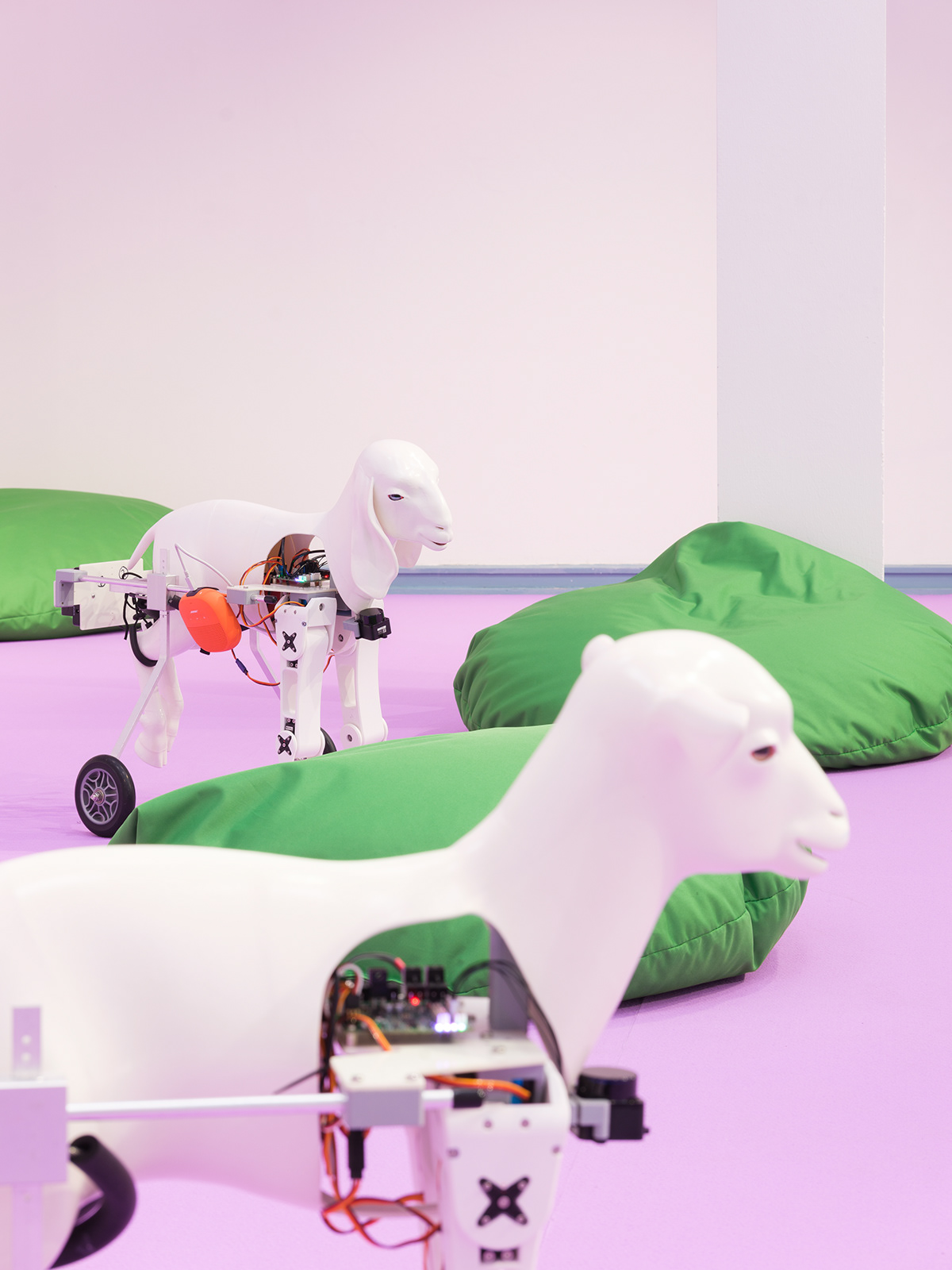
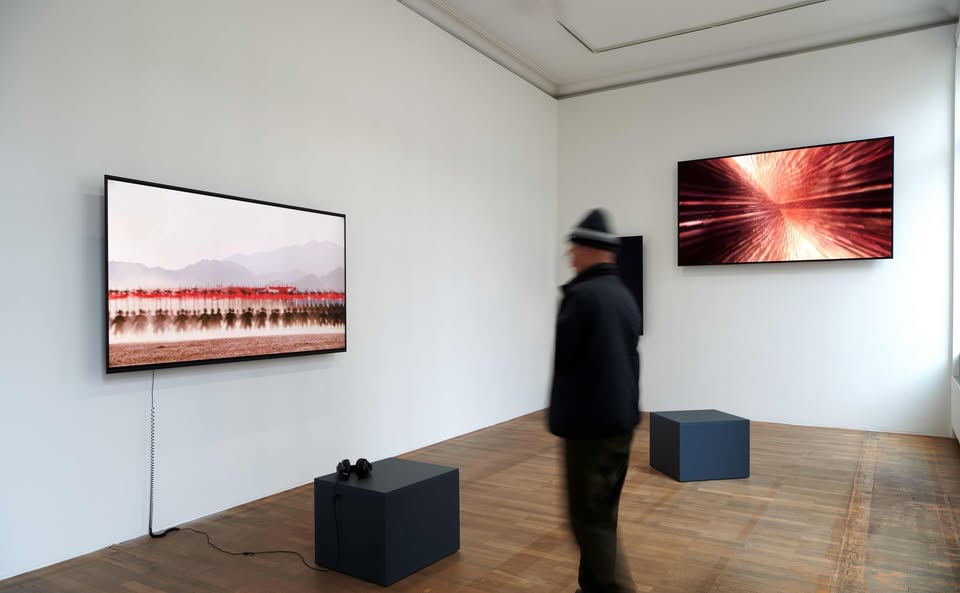
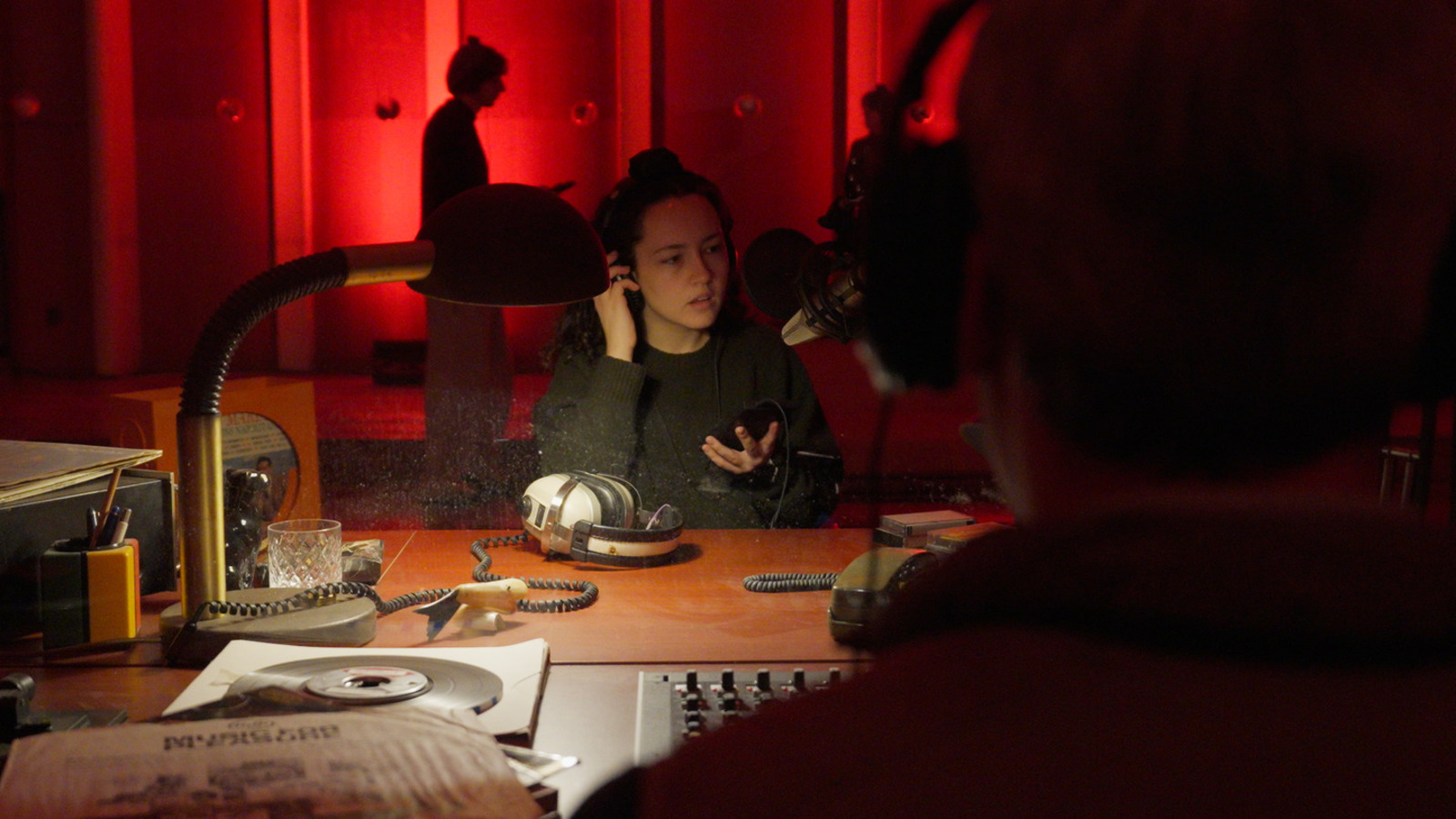
The three works in this exhibition explore these entanglements. Through the visual language of cinema – narration, editing, and the power of moving images – they activate our imagination and make visible the invisible intelligences supporting life on this planet.

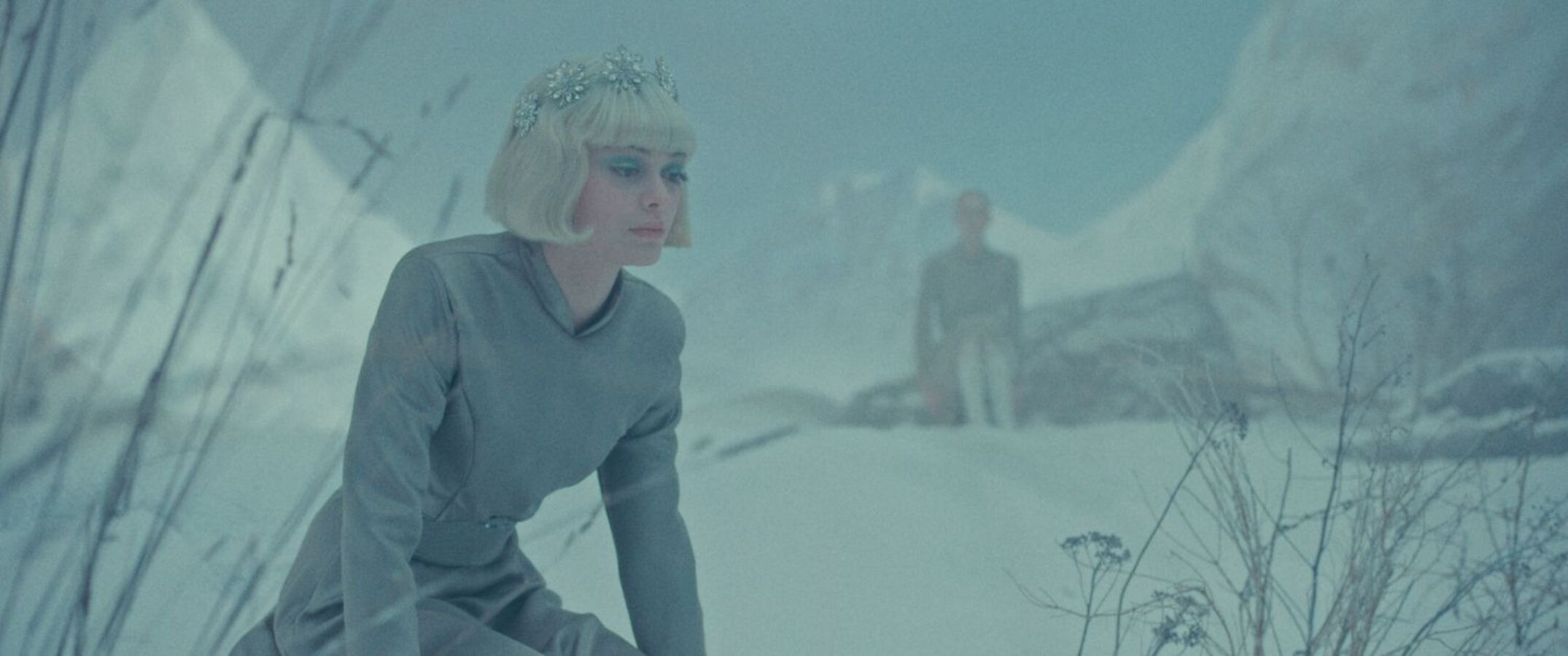
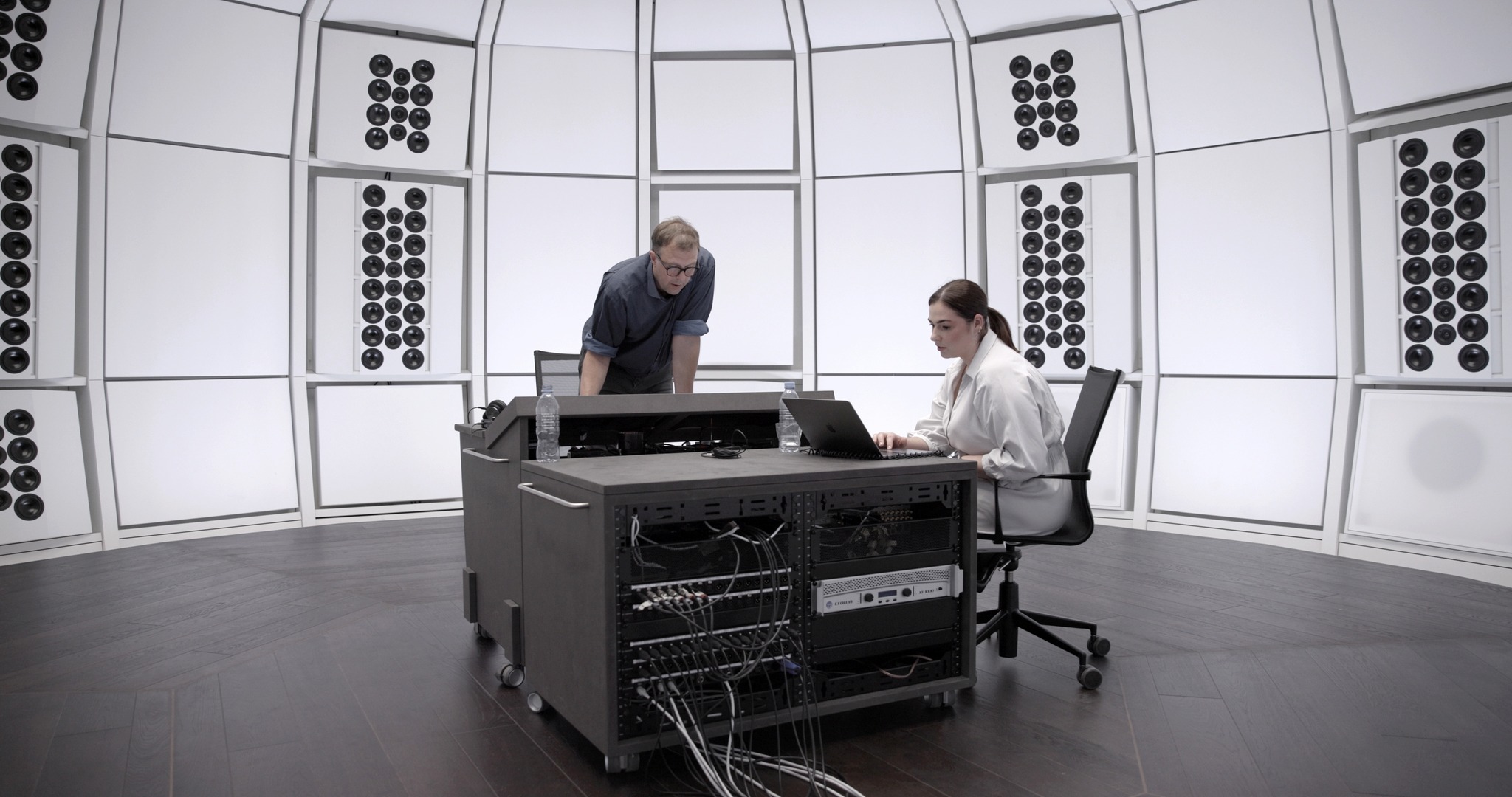
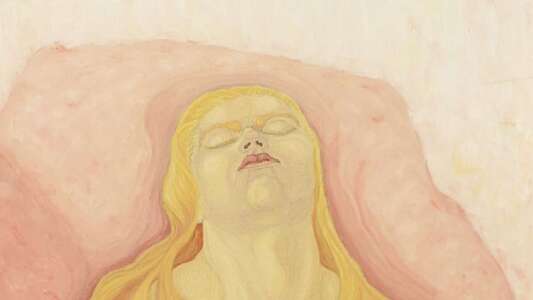
Alice Bucknell presents Staring at the Sun, a near future where geoengineering has become our last gamble with planetary systems. The film maps the territory where technological intervention encounters ecological consequences.

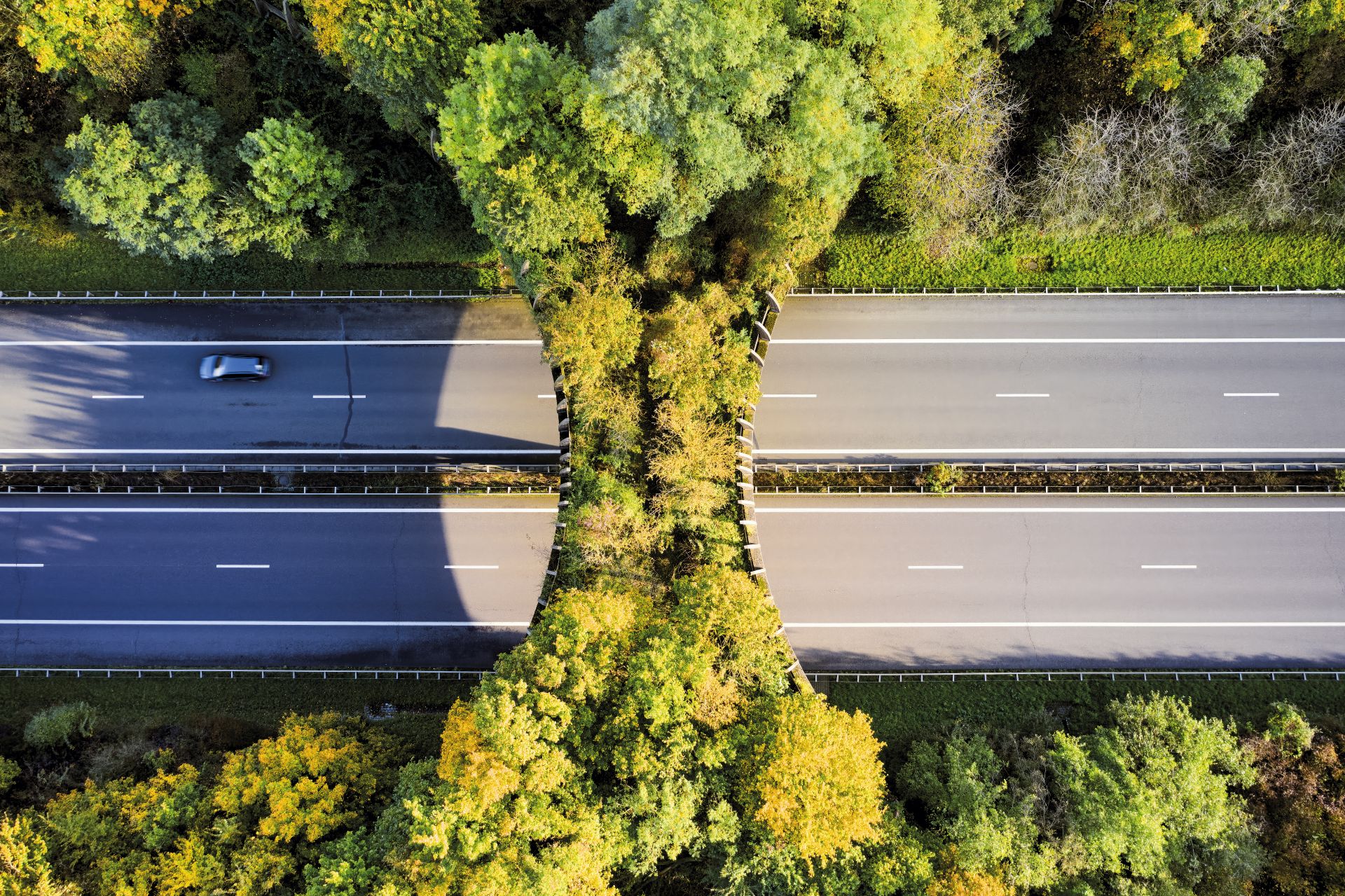
Solar Protocol by Tega Brain, Alex Nathanson, and Benedetta Piantella demonstrates that a solar-powered internet is possible. This work reveals that technology is never just technical: Solar Protocol works only thanks to a global network of volunteers, dependent on human care and solar cycles.

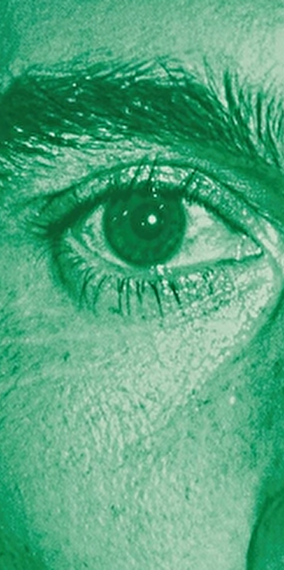
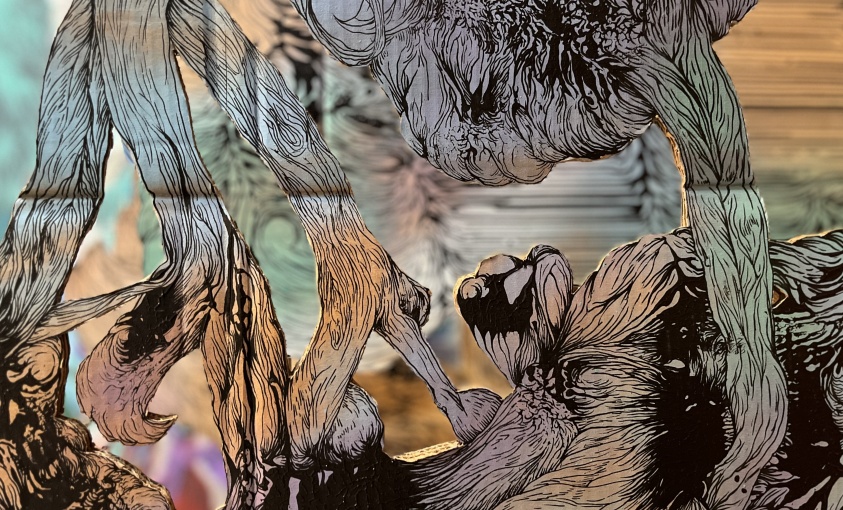
In Radiolaria by James Bridle, the silica skeletons of radiolarians overlay solar panels. This visual encounter is a revelation: evolution is the most sophisticated research program on Earth.

These works expand the territory of our imagination. They show that innovation can be integrated into ecological and social systems, and that the intelligence we need is already present – in sunlight, microorganisms, and communities.


Good to know

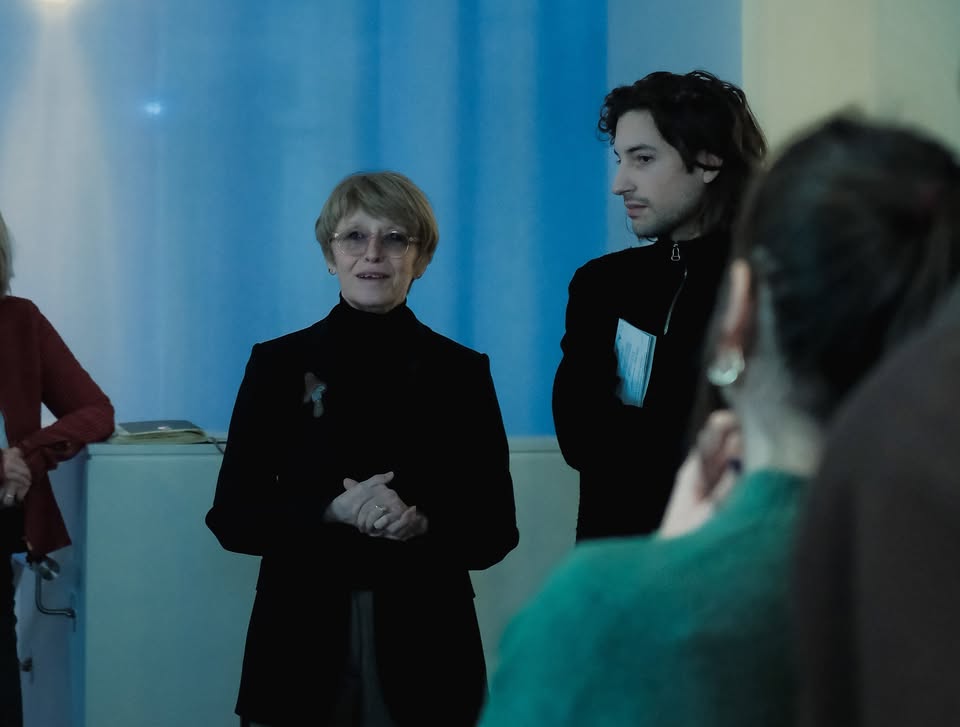
Guided tour in French by Françoise Poos and Vincent Crapon, curators of the exhibition.

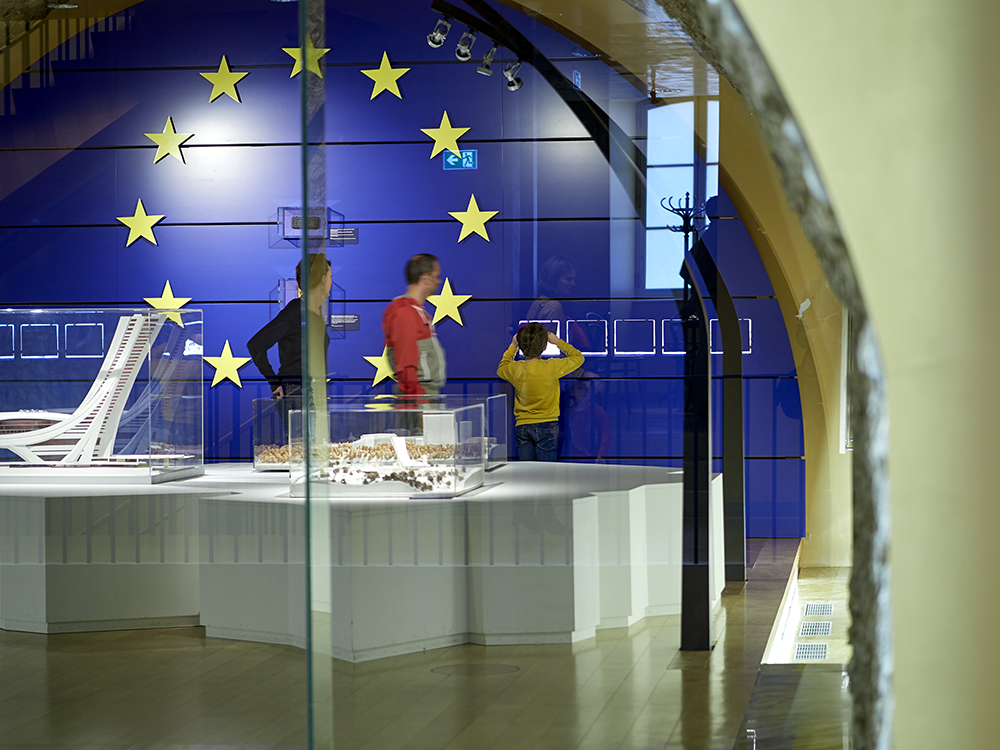
The exhibition takes place at Espace d'exposition Ratskeller, Cercle Cité, Luxembourg.

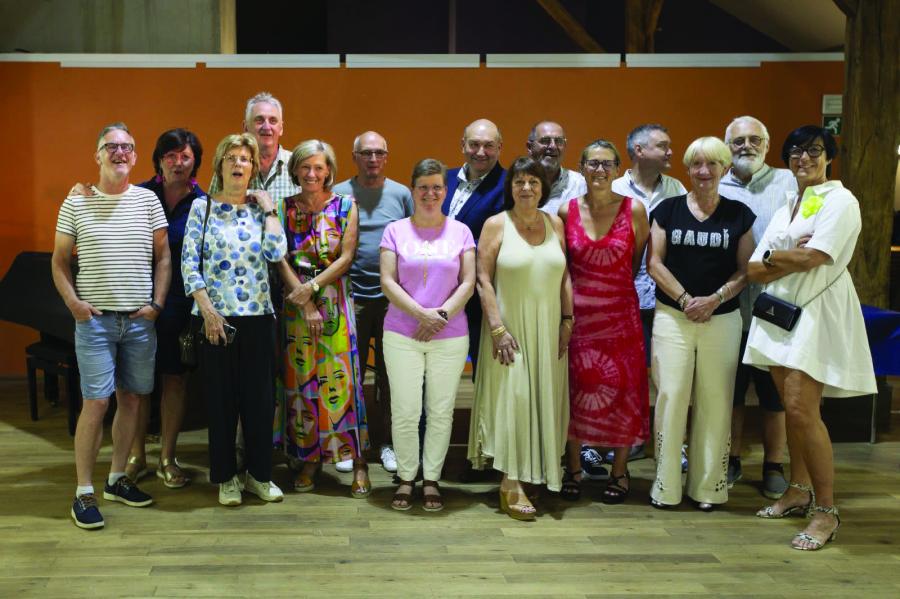
Organized with the support of the City of Esch-sur-Alzette. Catherine de Jamblinne will welcome the Friends of the Museums for this Midi de l'Art.
Automatically translated from French.


National Art & History Museum

Where does it take place?

Luxembourg Luxembourg

National Art & History Museum
Luxembourg


SEE MAP

by enovos logo

Weather forecast (Luxembourg)

tue. 27
/ 3°
wed. 28
/ 6°
thu. 29
/ 5°

REF.#622289 - A MISTAKE? LET US KNOW


Otherwise… check out the agenda

THE AGENDA

see all the things
to do around you

Take Supermiro
everywhere with you.

ios android

Hey, don’t go away...
Get the best
outings around you

All the best deals
events
spots

  • Favorites
  • 2026-02-12 12:30:00 2026-02-12 13:30:00 Europe/Paris Midi de l'Art: Here comes the sun. Art, energy and natural intelligence We have constructed extraordinarily complex systems to predict, control, and optimize our world. Artificial intelligence, we are told, will solve our greatest challenges. However, the smarter our machines become, the more we seem to forget the oldest forms of intelligence: that of the sun, spreading its energy with perfect consistency for billions of years, or marine microorganisms perfecting their luminous architectures. Intelligence is not a human invention. It also exists in human communities when they choose cooperation, when they dare to imagine other possibilities together. Imagination, a uniquely human faculty, allows us to understand through speculative leaps, empathy, and creativity. The three works in this exhibition explore these entanglements. Through the visual language of cinema – narration, editing, and the power of moving images – they activate our imagination and make visible the invisible intelligences supporting life on this planet. Alice Bucknell presents Staring at the Sun, a near future where geoengineering has become our last gamble with planetary systems. The film maps the territory where technological intervention encounters ecological consequences. Solar Protocol by Tega Brain, Alex Nathanson, and Benedetta Piantella demonstrates that a solar-powered internet is possible. This work reveals that technology is never just technical: Solar Protocol works only thanks to a global network of volunteers, dependent on human care and solar cycles. In Radiolaria by James Bridle, the silica skeletons of radiolarians overlay solar panels. This visual encounter is a revelation: evolution is the most sophisticated research program on Earth. These works expand the territory of our imagination. They show that innovation can be integrated into ecological and social systems, and that the intelligence we need is already present – in sunlight, microorganisms, and communities. Luxembourg Amis des Musées Luxembourg
CLOSE

Favorites

To check your Favorites, connect to your account!

CLOSE

Favorites

To check your Favorites, connect to your account!

CLOSE
CLOSE

Customize your results

To get to your Preferences, connect to your account!

CLOSE

Follow a theme

To follow this Theme, connect to your account!

CLOSE

Follow a theme

To follow this Theme, connect to your account!

CLOSE

Follow some Good Spots

To follow this Good Spot, connect to your account!

CLOSE

Follow a Business

To follow this Business, connect to your account!

CLOSE

Drop your Event

To drop an event, connect to your account!

CLOSE

Yes I want to delete it

Yes No
CLOSE

Well done! Your settings have been applied to the other Supernotifs edition

CLOSE

Drop your Event

To drop an event, connect to your account!
tu n'as pas autorisé la localisation ?

CLOSE
CLOSE
CLOSE

Supermiro is getting a makeover for Brussels and Geneva.
The service will not be available for the next few months in these two areas.
But remains AVAILABLE for Luxembourg and the Greater Region.