


Space Debris: What is it and How Can We Get Rid of It?

  • conference
  • History
  • Mmmhhh tu sembles intéressé par "History". Clique sur les mots clefs qui te plaisent... et hop ne rate plus rien les concernant. A toi de jouer !

Over the past six decades, about 16,000 spacecraft have been launched, many of which remain in orbit today. This has resulted in a growing number of unintended objects orbiting Earth. Today, it is assumed that more than 1 million objects larger than 1 cm are circling our planet. All these objects have a very high velocity, causing significant damage to functional spacecraft in case of collision. This talk will clarify the origin of space debris and present current prevention practices. It will also explain the methods used to detect and track debris in order to avoid collisions with active, manoeuvrable spacecraft, assess the current risk levels, discuss shielding options, and outline developments aimed at the active removal of space debris. Dr Holger Krag leads the Space Safety Programme office of the European Space Agency (ESA), which covers activities related to space debris, space weather, and planetary defence.


Good to know

Reservation required.
Conference in English.
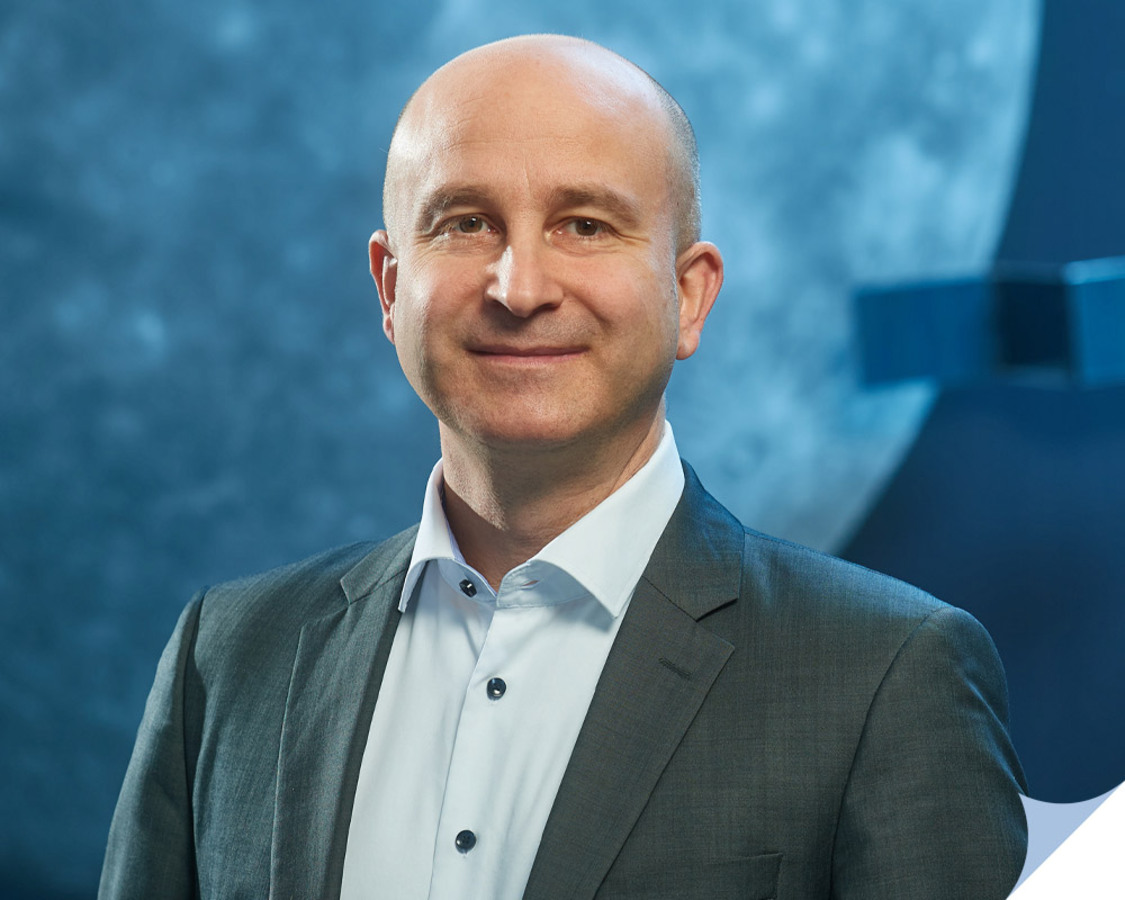
Speaker: Dr. Holger Krag, Head of the Space Safety Programme at ESA.


Bibliothèque nationale du Luxembourg

Where does it take place?

1855 Luxembourg Bibliothèque nationale du Luxembourg, Avenue John F. Kennedy, Kirchberg Luxembourg

Bibliothèque nationale du Luxembourg
Avenue John F. Kennedy
Kirchberg Luxembourg


SEE MAP

by enovos logo

Weather forecast (Luxembourg)

wed. 10
/ 17°

REF.#640318 - A MISTAKE? LET US KNOW


Otherwise… check out the agenda

THE AGENDA

see all the things
to do around you

Take Supermiro
everywhere with you.

ios android

Hey, don’t go away...
Get the best
outings around you

All the best deals
events
spots

  • Favorites
  • 2026-06-10 19:00:00 2026-06-10 20:00:00 Europe/Paris Space Debris: What is it and How Can We Get Rid of It? Over the past six decades, about 16,000 spacecraft have been launched, many of which remain in orbit today. This has resulted in a growing number of unintended objects orbiting Earth. Today, it is assumed that more than 1 million objects larger than 1 cm are circling our planet. All these objects have a very high velocity, causing significant damage to functional spacecraft in case of collision. This talk will clarify the origin of space debris and present current prevention practices. It will also explain the methods used to detect and track debris in order to avoid collisions with active, manoeuvrable spacecraft, assess the current risk levels, discuss shielding options, and outline developments aimed at the active removal of space debris. Dr Holger Krag leads the Space Safety Programme office of the European Space Agency (ESA), which covers activities related to space debris, space weather, and planetary defence. Bibliothèque nationale du Luxembourg, Avenue John F. Kennedy, Kirchberg Luxembourg Ville de Luxembourg
CLOSE

Favorites

To check your Favorites, connect to your account!

CLOSE

Favorites

To check your Favorites, connect to your account!

CLOSE
CLOSE

Customize your results

To get to your Preferences, connect to your account!

CLOSE

Follow a theme

To follow this Theme, connect to your account!

CLOSE

Follow a theme

To follow this Theme, connect to your account!

CLOSE

Follow some Good Spots

To follow this Good Spot, connect to your account!

CLOSE

Follow a Business

To follow this Business, connect to your account!

CLOSE

Drop your Event

To drop an event, connect to your account!

CLOSE

Yes I want to delete it

Yes No
CLOSE

Well done! Your settings have been applied to the other Supernotifs edition

CLOSE

Drop your Event

To drop an event, connect to your account!

tu n'as pas autorisé la localisation ?

CLOSE
CLOSE
CLOSE

Supermiro is getting a makeover for Brussels and Geneva.
The service will not be available for the next few months in these two areas.
But remains AVAILABLE for Luxembourg and the Greater Region.